
Article: The Biohacker's Recovery Stack: Infrared Sauna + Cold Plunge + Red Light Therapy
The Biohacker's Recovery Stack: Infrared Sauna + Cold Plunge + Red Light Therapy
REJUVITALIS BLOG — Category: Multi-category | Read time: 10–12 min | SEO target: "biohacker recovery stack sauna cold plunge red light"
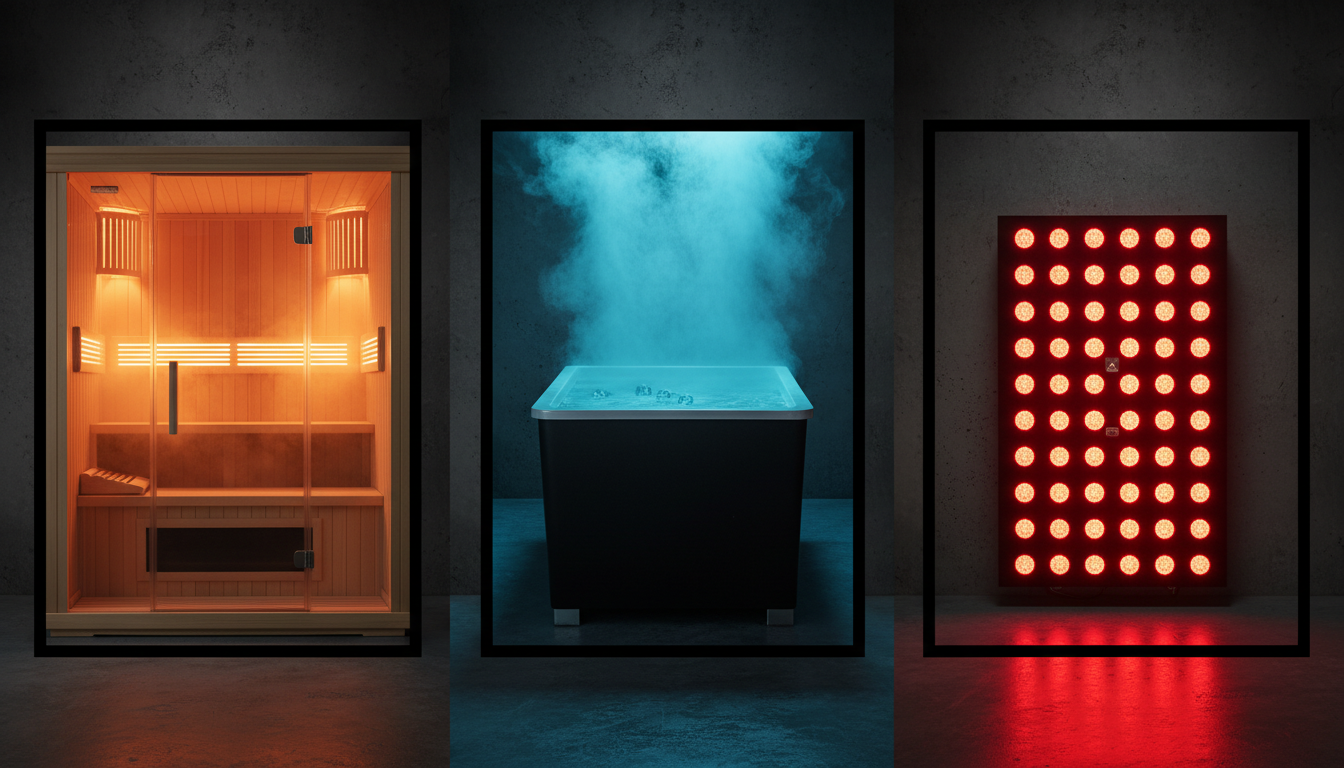
There's a reason the most dedicated optimizers around — athletes, longevity enthusiasts, performance-driven professionals — have converged on the same three tools: infrared sauna, cold plunge, and red light therapy.
Individually, each one is a popular wellness tool in its own right, worth the investment on its own merits.
But together? They create a routine that's genuinely greater than the sum of its parts. A recovery ritual that hits your day from three distinct angles — warmth, cold, and light — in a single routine that takes about 90 minutes and becomes more rewarding every week you do it.
This isn't about doing more for the sake of doing more. Each tool in this stack brings something different to the experience. That's what makes the combination so appealing — there's no redundancy, only variety.
This is the full breakdown. How each tool fits in, why they work well together, and exactly how to sequence them for the best experience.
Tool #1: Infrared Sauna — Warmth and Deep Relaxation
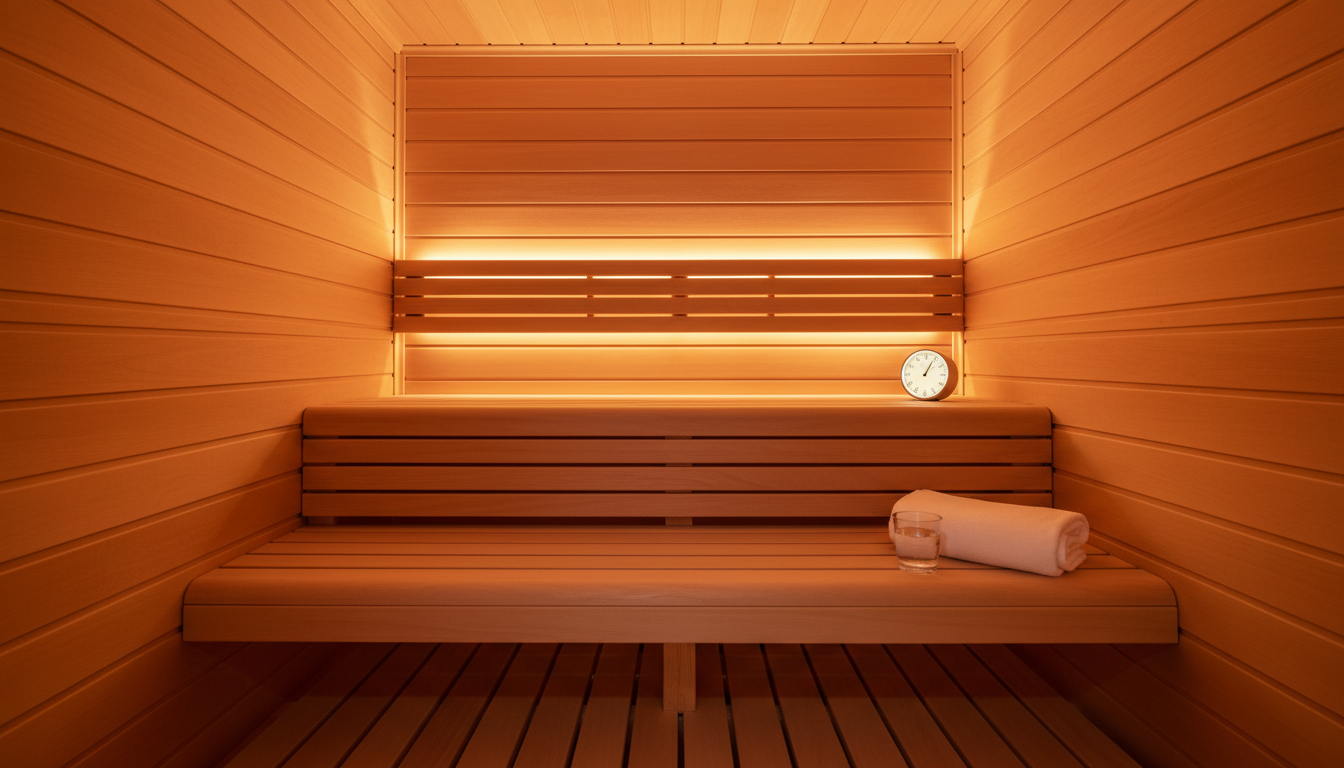
Infrared saunas use far, mid, and near infrared wavelengths that warm your body directly, raising your core temperature from the inside out rather than by superheating the surrounding air. Sessions typically run 30–45 minutes at 120°F–150°F.
People who use infrared saunas regularly describe a range of things they notice and appreciate:
- A deep sense of relaxation and a break from screens and obligations
- A strong sweat, which many people find satisfying as part of a self-care routine
- An elevated heart rate during the session, similar to light activity, without any joint impact
- A noticeably good mood and mental clarity afterward
- A ritual that feels indulgent but is simple enough to do consistently
Why it anchors the stack: The infrared sauna is the warm, grounding foundation of this routine. It sets the tone — relaxing the body, opening things up, and creating the contrast that makes the cold plunge that follows feel so dramatic.
Think of the sauna as loading the spring. Everything else in the routine releases it.
Tool #2: Cold Plunge — The Contrast Reset
Cold water immersion at 50°F–59°F triggers one of the most dramatic acute sensations available — full-body, immediate, impossible to ignore. Your breath catches, your focus sharpens, and there's an alertness that follows for a while afterward.
People who plunge regularly report:
- A rush of alertness and energy right after getting out
- A noticeable mood lift that can last for a while post-plunge
- A sense of having done something hard, which many people find motivating and confidence-building
- A calming effect on how they handle stress over time, since deliberately sitting with an uncomfortable sensation and staying calm is a skill that seems to carry over
Why it belongs in the stack: After the sauna has warmed and relaxed your body, the cold plunge creates a dramatic contrast that most people describe as invigorating. It's the wake-up moment in an otherwise mellow routine.
This contrast is the idea behind the traditional Finnish sauna-to-ice-lake practice — a pairing people have enjoyed for generations, long before it had a biohacking label.
Tool #3: Red Light Therapy — The Calm Finish
Red light panels use specific wavelengths of red and near-infrared light. It's become one of the most popular finishing touches to a recovery routine — a warm, quiet, screen-free few minutes that most people use as a wind-down.
People who use red light regularly as part of a stack like this say they appreciate:
- A calm, low-key way to end a routine that otherwise ranges from very hot to very cold
- A few minutes that feel like genuine self-care, without any physical effort required
- A consistent evening or post-workout ritual that's easy to stick with
Why it completes the stack: If the sauna sets a relaxed tone and the cold plunge delivers the wake-up jolt, red light therapy is the gentle landing — a low-key way to close out the routine before resting.
It's also the most flexible tool: a 10–20 minute red light session requires no heat tolerance, no cold tolerance, and no physical exertion. It's the easiest addition to any routine.
Why These Three Work Well Together
The appeal of this stack isn't just additive — it's about variety and contrast. Each tool changes the experience of the next:
Sauna → Cold Plunge: Going from very warm to very cold creates one of the most dramatic sensory contrasts available in a wellness routine, and many people find that contrast to be the most memorable part of the whole stack.
Cold Plunge → Red Light: After the jolt of the cold plunge, the quiet warmth of a red light session feels like a genuine reward — a calm landing after an intense few minutes.
Sauna → Red Light: Both are warm, calming experiences, so pairing them (with the cold plunge in between) creates a routine that bookends the cold exposure with two very different kinds of comfort.
All Three → Sleep: Many people report that the evening following a full stack routine is one of their best nights of sleep that week — likely thanks to the combination of physical tiredness, relaxation, and a consistent wind-down ritual.
The Routine: How to Sequence the Stack
Sequence matters if you want to get the most out of the experience. Here's the order and timing most people use:
Step 1: Infrared Sauna — 30–40 minutes
Temperature: 130°F–145°F
Goal: Relax, warm up, sweat, and unwind.
What to do: Hydrate before entering. Sit comfortably — this isn't a suffering contest. Most people get the most out of it through a relaxed, sustained session rather than pushing extreme temperatures.
Step 2: Cold Plunge — 3–10 minutes
Temperature: 50°F–59°F
Goal: Create contrast, wake up, and get a rush of alertness.
What to do: Enter within 5–10 minutes of exiting the sauna while your body is still warm. Control your breathing — slow exhales through the mouth help you settle into the cold. Submerge to the shoulders. Stay for a minimum of 2 minutes if you're going for the fuller experience; some people stay 5–10 minutes.
Optional: Repeat the sauna-cold cycle 2–3 times for a more intense contrast experience.
Step 3: Red Light Therapy — 10–20 minutes
Wavelengths: Red (660nm) and near-infrared (850nm) — the most common wavelengths used across the category.
Goal: Wind down and close out the routine with something calm and low-key.
What to do: After your final cold plunge exit, allow 5–10 minutes of natural rewarming, then move to your red light panel. Position yourself 6–12 inches from the panel. This is the most passive step in the routine — use it as your cooldown.
Finish with red light, not with the sauna or cold plunge. It's a nice way to end on something calm before you rest.
Full Routine Summary
Total time: 60–90 minutes (single sauna-cold cycle) to 2+ hours (multiple cycles)
Frequency: 3–5x per week is common. Some people do it daily.
Best timing: Post-workout for a recovery-focused session. Morning for an energizing start. Evening (finishing 90+ minutes before bed) for a wind-down routine.
The sequence: Infrared sauna (30–40 min) → Cold plunge (3–10 min) → [Optional repeat 1–2x] → Red light therapy (10–20 min) → Natural rewarming and rest
Who This Stack Is Built For
The Serious Athlete: If you're training 4–6 days a week, this stack is a comprehensive, non-strenuous way to round out your week with warmth, contrast, and a calm finish.
The High-Performance Professional: A consistent wind-down routine is one of the simplest things you can build into a demanding week, and this stack gives you three very different but complementary ways to switch off.
The Wellness Enthusiast: If you enjoy trying different recovery and self-care tools, this stack lets you experience three of the most popular ones in a single, well-sequenced routine.
Anyone Building a Home Wellness Space: If you already have one or two of these tools, this guide gives you a framework for how they fit together once you add the third.
Build Your Stack at Home
All three tools are now available in home-use formats that bring the same general experience as professional spas and wellness clubs into your own space.
At Rejuvitalis, we carry the full stack — infrared saunas, cold plunge tubs, and red light therapy panels — all selected for the build quality and consistency that make daily use realistic. Not entry-level toys. Not overpriced brand names. The right tools at the right price for people who take their routine seriously.
- Browse our infrared sauna collection — carbon fiber heaters, quality wood, EMF-tested
- Explore our cold plunge tubs — with chilling systems for year-round use
- Shop red light therapy panels — including the RN300
→ Build Your Recovery Stack at Rejuvitalis
Frequently Asked Questions
Do I need all three tools to enjoy the benefits?
No. Each tool is a worthwhile addition on its own. The stack is for people who want to build out a fuller routine — not a requirement to get started. Begin with whichever tool appeals to you most (infrared sauna for relaxation, cold plunge for an energizing reset, red light for an easy daily ritual) and add from there.
Can I do this routine every day?
Many people do. The key variables are hydration, rest, and listening to your body. Daily sauna use is common among enthusiasts. Daily cold exposure is practiced widely. Daily red light sessions are a normal part of many people's routines. That said, building up to daily use gradually is generally more sustainable than jumping in every day from week one.
How long before I notice a difference from the full stack?
The mood lift from the cold plunge is often immediate. Most people say the routine itself becomes something they look forward to within 1–2 weeks of consistent use. Beyond that, it's really about whether the ritual sticks — the people who get the most out of it are the ones who make it a regular part of their week.
What if I only have time for one tool on a given day?
Pick based on what you're in the mood for. Want to unwind: sauna. Need a jolt of energy: cold plunge. Want something quick and easy: red light. Red light therapy takes the least time and requires the least recovery, making it the easiest daily habit to maintain.
Is the RN300 red light panel a good fit for this stack?
Yes — the RN300 delivers 660nm and 850nm wavelengths, covers a full-body treatment area, and is built for the kind of consistent daily use that makes it an easy habit to stick with. It's the red light component we'd recommend for a home stack.